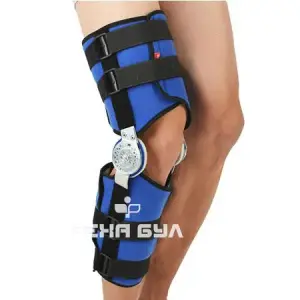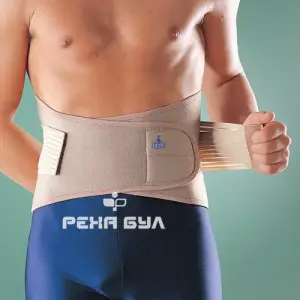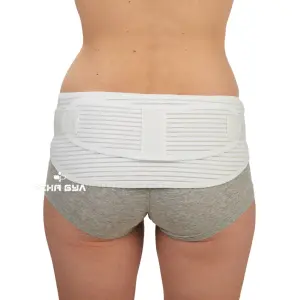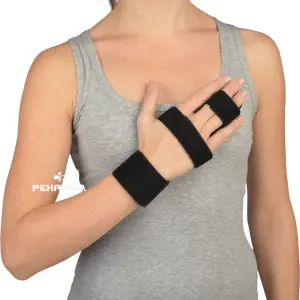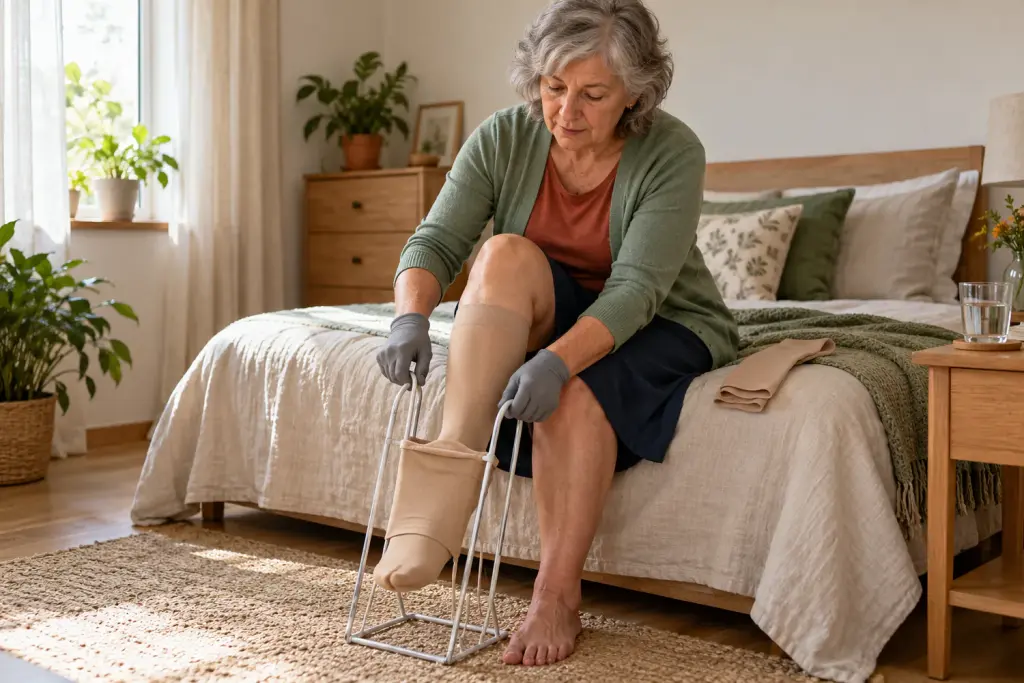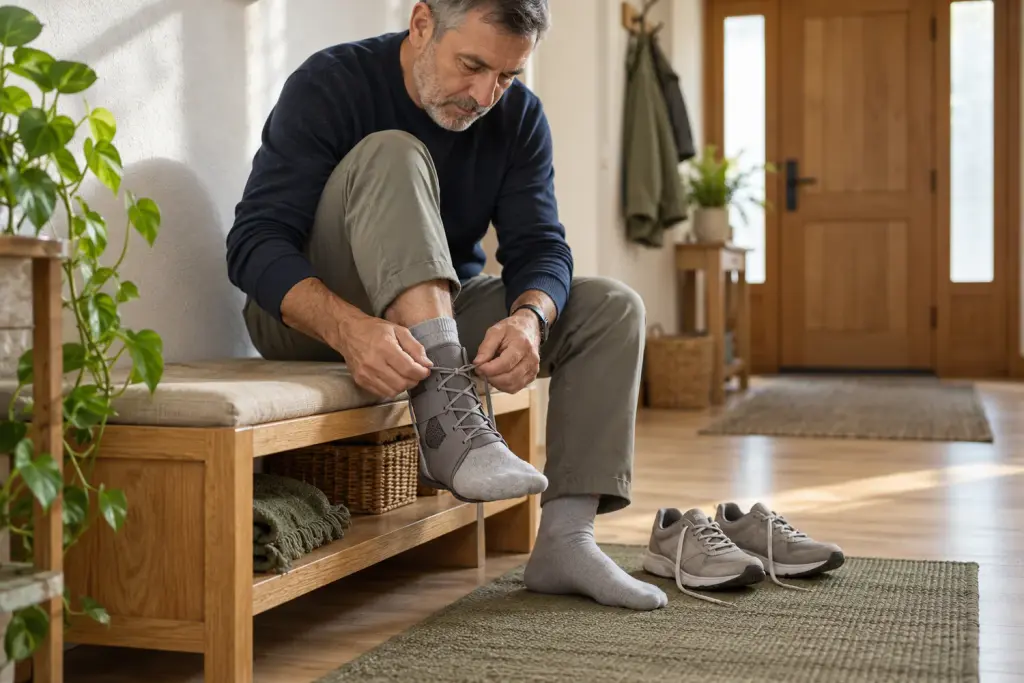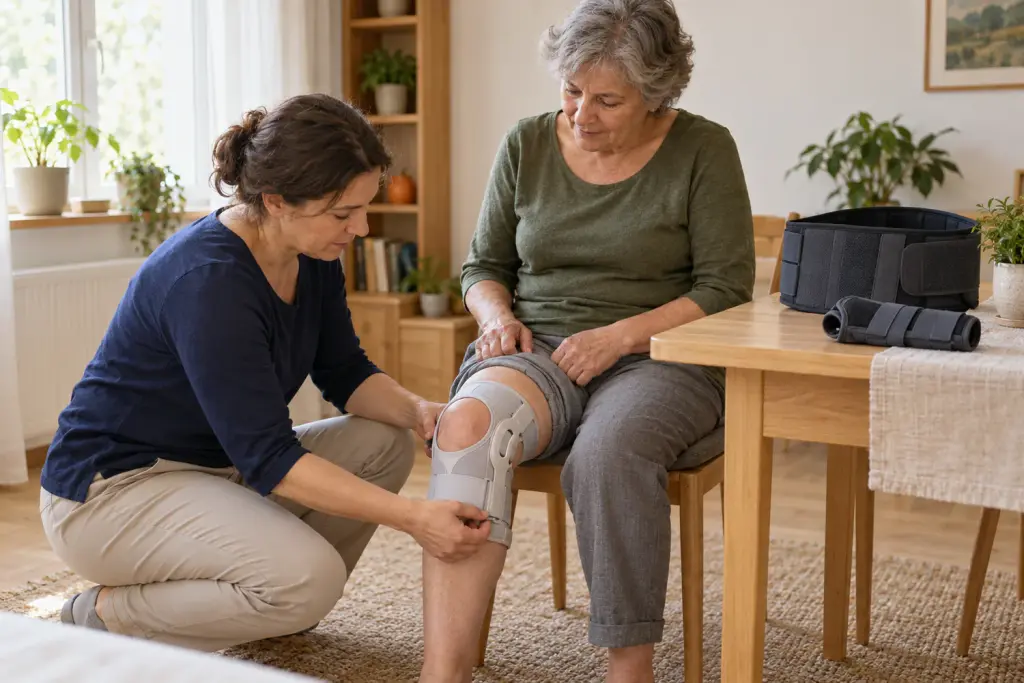
Orthoses, supports and back braces are medical devices that make part of the musculoskeletal system more stable under load or during recovery after an injury or operation. Your doctor decides which device you need and how long to wear it. The right size, chosen from your measurements, and the right fastening decide whether the device helps you and is comfortable.
What orthoses, supports and back braces are
All three are external devices worn on the body to support, stabilise or immobilise a joint or part of the spine.
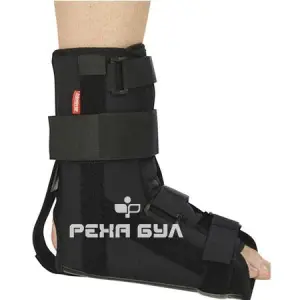
- Orthoses: for the joints, such as the knee, ankle, wrist and fingers, elbow and shoulder. Some immobilise the joint, others only support it.
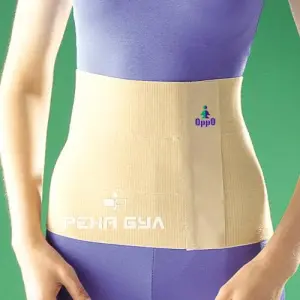
- Supports: for the abdomen, pelvis or chest, for example after an operation.
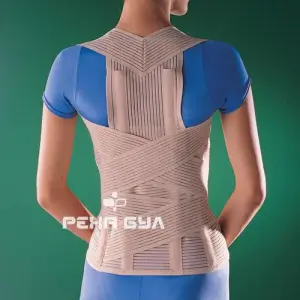
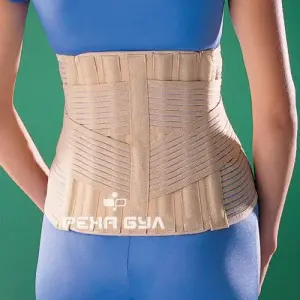
- Back braces: belts and corsets for the lower back.
Modern devices are made of light, strong, hypoallergenic materials. That is a big advantage over a traditional plaster cast: they can be taken off so that the skin underneath can be cared for and checked, and they dry fairly quickly when they get wet. The strength of the material matters, because they sometimes have to be worn for a long time, 2–3 months.
Types by purpose
By purpose, the devices are either immobilising or supporting, and there are also children’s and sports ranges.
| Type | What it is for | Example |
|---|---|---|
| Immobilising | Keeps the part of the body still after an injury or operation | A wrist or ankle orthosis after an injury |
| Supporting and strengthening | Gives support during recovery or under load | A knee orthosis, a back brace |
| Children’s ranges | Devices sized and shaped for children | Children’s orthoses |
| Sports ranges | Support under particular kinds of load | Knee and ankle supports |
How the size is chosen
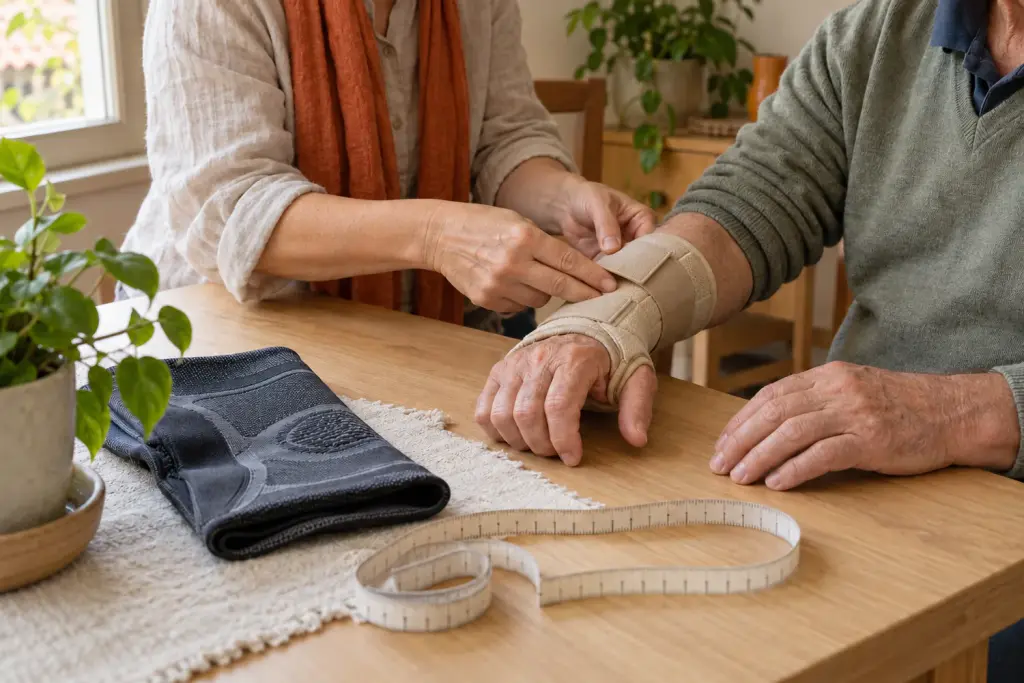
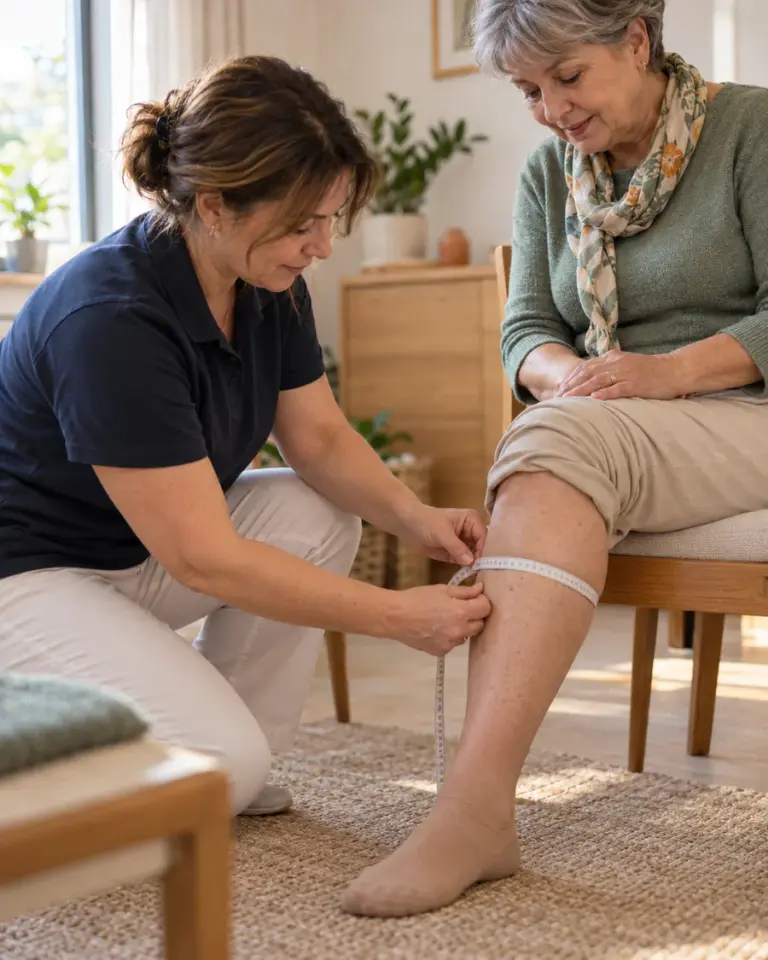
The size is chosen from your body measurements, not by eye: a device that is too big does not hold, and one that is too small presses.
- The measurements are taken as the manufacturer’s size chart says, for example around the knee, ankle or waist.
- If you are between two sizes, ask the adviser which suits your case better.
- If your measurements are unusual, some devices can be made to your individual measurements.
- Try the device on both sitting and standing, and move the joint as far as your doctor allows.
Orthoses and compression
Knee, ankle, wrist and shoulder orthoses, supports, lumbar supports and compression stockings.
We will call you to confirm the day and the time.
Or call the nearest shop
A back brace for low back pain: when it makes sense
For ordinary low back pain a belt is not a treatment: the UK’s NICE guidelines specifically advise against offering belts or corsets for low back pain, with or without sciatica.
For that kind of pain the guidelines put movement and exercise first. A back brace has its place when a doctor prescribes one for a specific condition, and then you should wear it for as long as they say. If you are not sure whether you need one, ask your GP first.
How to wear them safely
The device should fit snugly without hurting, and you should check the skin underneath every day.
- Snug but not tight. The device should not cause you discomfort. With a wrist orthosis, you should be able to move all your fingers.
- Check your skin at least once a day. Light red marks after taking it off usually fade within about 30 minutes.
- Numbness, tingling, pain or a change of colour are signs to loosen or remove the device. If they do not pass, see a doctor.
- Do not alter the device yourself if it does not fit: ask the adviser or your doctor.
- Cleaning: usually with lukewarm water and mild soap, air-dried away from radiators, and always as the manufacturer’s instructions say.
When to see a doctor
See a doctor if the device causes pain, numbness or sores, or if your condition gets worse.
- numbness or tingling that does not pass after taking it off;
- swelling, or skin under the device that turns pale, blue or cold;
- redness that does not fade within 30 minutes of taking it off, or a sore;
- new or increasing pain;
- back pain with numbness or weakness in both legs, loss of feeling around the genitals, or changes in passing urine or opening your bowels: call 112.
Frequently asked questions
How long is an orthosis worn?
It depends on the condition, and your doctor decides. Sometimes it is a few weeks, sometimes 2–3 months.
Can I sleep in my orthosis?
Only if your doctor has said so. Some immobilising orthoses are worn at night too, others only during the day.
Can I get an orthosis funded by the state?
Some devices are funded by the state on certain terms. The rules change, so see our State funding guide.
Are compression stockings worn the same way?
No, they have their own rules on classes and putting them on: see our article on compression stockings.
In Reha Bul’s shops we keep a wide range of orthoses, supports and back braces from leading manufacturers, in different price ranges. Our advisers will take your measurements and help you choose the right size. Browse the orthoses, supports and back braces in the catalogue, such as the knee orthoses or the back braces; the shops’ addresses are on the Shops page.
Sources
- Low back pain and sciatica in over 16s: assessment and management (NG59) – NICE
- Back pain – NHS
- Standards for prosthetics and orthotics – World Health Organization
- Futura splint – Kingston and Richmond NHS Foundation Trust
- Wear and care instructions for soft wrist/hand splints – Bradford Teaching Hospitals NHS Foundation Trust
Orthoses and compression
Knee, ankle, wrist and shoulder orthoses, supports, lumbar supports and compression stockings.
We will call you to confirm the day and the time.
Or call the nearest shop