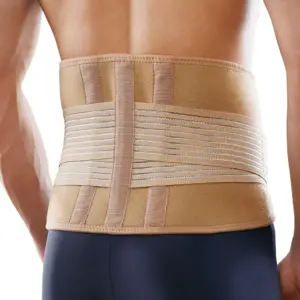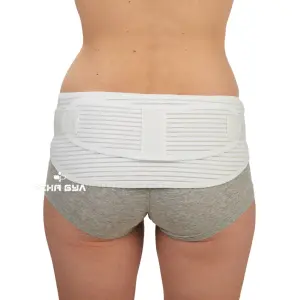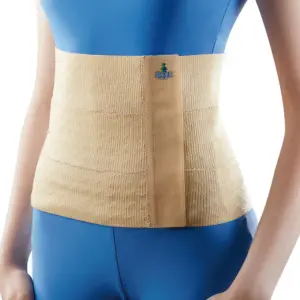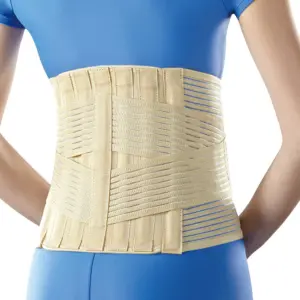
For ordinary low back pain, a lumbar support belt is not a treatment. The UK’s NICE guideline says plainly that belts and corsets should not be offered for low back pain, with or without sciatica. The World Health Organization (WHO) also advises against the routine use of lumbar belts and braces for chronic low back pain. A belt makes sense when a doctor prescribes it for a specific case, for example after spinal surgery.
We say this openly, even though we sell lumbar supports. We would rather you buy one when it will genuinely help than rely on it instead of what actually treats the pain.
What the guidelines say
The most widely cited guidelines on low back pain agree: a belt does not help ordinary back pain, and movement does.
- NICE (NG59), the UK’s national guideline on low back pain and sciatica in people over 16, recommends not offering belts or corsets to manage low back pain.
- The WHO, in its 2023 guideline on chronic low back pain, recommends education, exercise programmes, some physical therapies and psychological support. Lumbar braces, belts and supports are among the measures it says should not be offered routinely.
- The Cochrane review of lumbar supports found that they prevent back pain no better than doing nothing or training in how to lift. For treating the pain, the evidence was conflicting.
These guidelines are about so-called non-specific low back pain: pain without an identified specific cause. It is the most common kind. They do not cover pain from a fracture, a tumour, an infection or an inflammatory disease of the spine.
When a doctor prescribes a lumbar support
A lumbar support is a medical device and has its place when a doctor decides it is needed. The type, how rigid it is and how long to wear it are then the doctor’s decision.
- After spinal surgery, if the surgeon prescribes it for the recovery period.
- With some injuries and fractures of the vertebrae, as the treating doctor decides.
- With other specific diagnoses, where the doctor judges that support will help for a set time or during a particular kind of strain.
If you are not sure whether you need a belt, ask your GP first. Do not wear a rigid brace on your own judgement, especially for a long time.
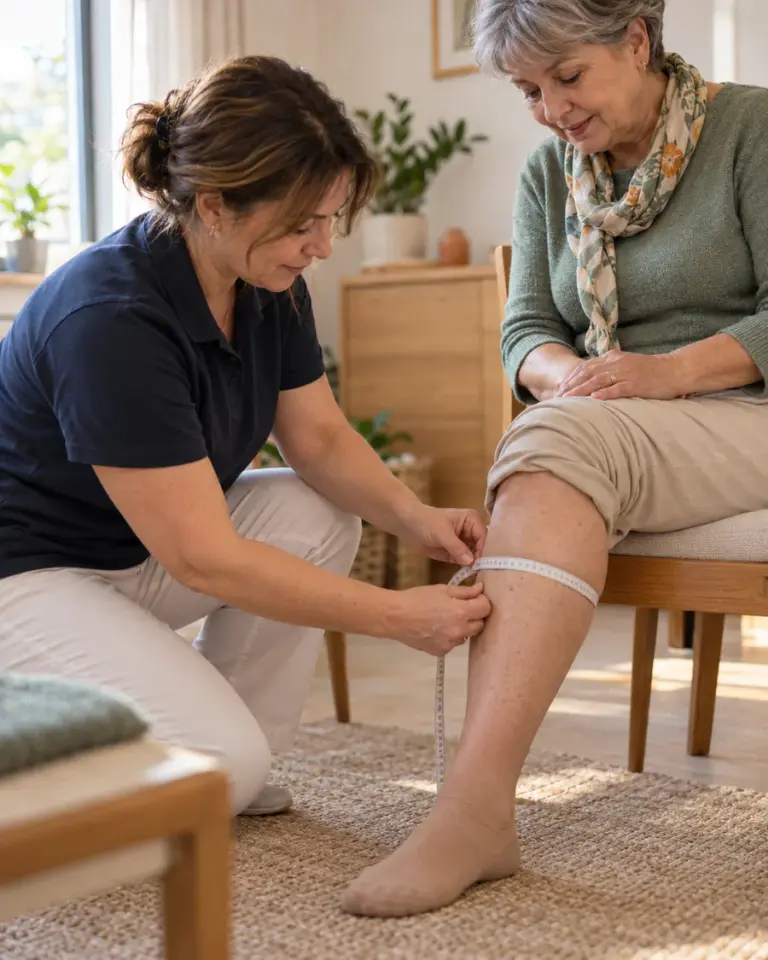
Orthoses and compression
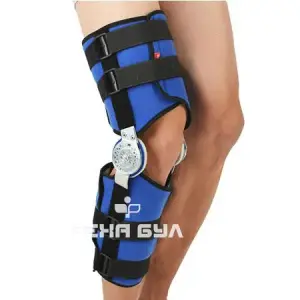
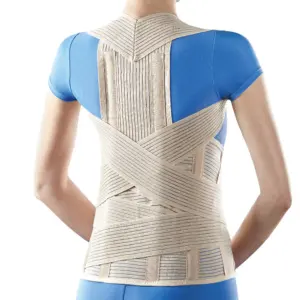
Knee, ankle, wrist and shoulder orthoses, supports, lumbar supports and compression stockings.
We will call you to confirm the day and the time.
Or call the nearest shop
What helps instead of a belt
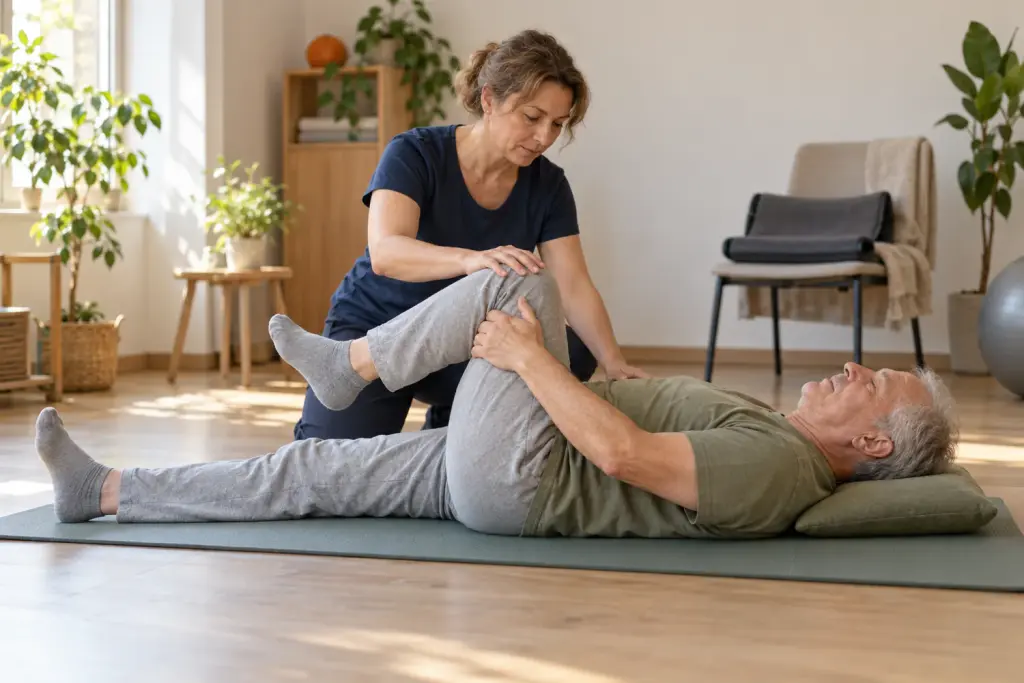
With ordinary low back pain, what helps most is moving and gradually getting back to your usual activities. The NHS advises:
- Stay active and carry on with your daily activities as far as you can.
- Do not stay in bed for long periods, even when the pain makes you want to lie down.
- Do exercises and stretches for your back. If the pain gets worse, stop and ask your doctor.
- Heat or cold. A hot-water bottle or heat pack wrapped in a towel eases stiffness; an ice pack, also wrapped, reduces pain and swelling.
- Pain relief if needed, as your doctor or pharmacist advises.
NICE and the WHO recommend exercise, including group programmes, and education that helps you understand the pain and manage it. According to the NHS, back pain usually improves within a few weeks, although it can sometimes last longer or keep coming back.
If your doctor has prescribed a lumbar support
Then the right size and the right way of wearing it decide whether the belt helps and is comfortable.
- Sized by measurement. The size is set by the waist or hip measurement, using the manufacturer’s chart.
- Snug, not tight. The belt must not restrict your breathing or cause pain or numbness.
- As long as your doctor said. Wear it for as many hours a day and as many weeks as they set, and do not keep it on permanently “just in case”.
- Over a thin layer of clothing. That way the skin does not chafe. Check it every day for redness.
- Movement and exercise. Keep up the exercises your doctor or physiotherapist gave you. The belt does not replace them.
There is more on the types of device and on wearing them safely in our article “Orthoses, supports and back braces”.
When to get medical help
Most back pain is not dangerous, but some signs need urgent help. According to the NHS:
- Call 112 at once if you have numbness or loss of feeling around the genitals or anus, difficulty peeing or wetting or soiling yourself, weakness, numbness or pain in both legs, chest pain, or if the pain started after a serious accident.
- Get urgent medical help if the pain is severe and came on suddenly or is getting worse quickly, or if you feel hot, shivery and generally unwell.
- Book an appointment with your GP if the pain has not improved after a few weeks of home care, stops you doing everyday things, is worse at night, if you have lost weight without trying, if there is a lump or a change in the shape of your back, or if the pain is between your shoulder blades.
Frequently asked questions
Then why are lumbar supports sold?
Because there are cases where a doctor prescribes them: after surgery, with some injuries and with specific conditions. For those people, a well-fitted lumbar support matters. The guidelines only say that a belt is not a treatment for ordinary low back pain.
Will a belt protect me when lifting?
According to the Cochrane review, lumbar supports prevent back pain no better than training in how to lift correctly. If your work involves lifting, discuss exercise and how you work with your doctor.
Can I wear a belt until the pain goes?
For ordinary low back pain the guidelines do not recommend it. Movement, exercise and, if needed, pain relief on your doctor’s advice help. If the pain does not go away, see a doctor rather than wearing a belt for longer.
In Reha Bul’s shops our consultants will take your measurements and help you choose the size of the lumbar support your doctor has prescribed. Browse the lumbar supports and the other orthoses, supports and back braces in the catalogue. If you are entitled to an aid from the state, see our guide; the addresses are on the Shops page.
Sources
- NICE: Low back pain and sciatica in over 16s: assessment and management (NG59)
- World Health Organization: WHO releases guidelines on chronic low back pain (7 December 2023)
- World Health Organization: Guideline for non-surgical management of chronic primary low back pain in adults in primary and community care settings, 2023
- Cochrane: Lumbar supports for prevention and treatment of low back pain (van Duijvenbode I et al., 2008)
- NHS: Back pain
Orthoses and compression
Knee, ankle, wrist and shoulder orthoses, supports, lumbar supports and compression stockings.
We will call you to confirm the day and the time.
Or call the nearest shop