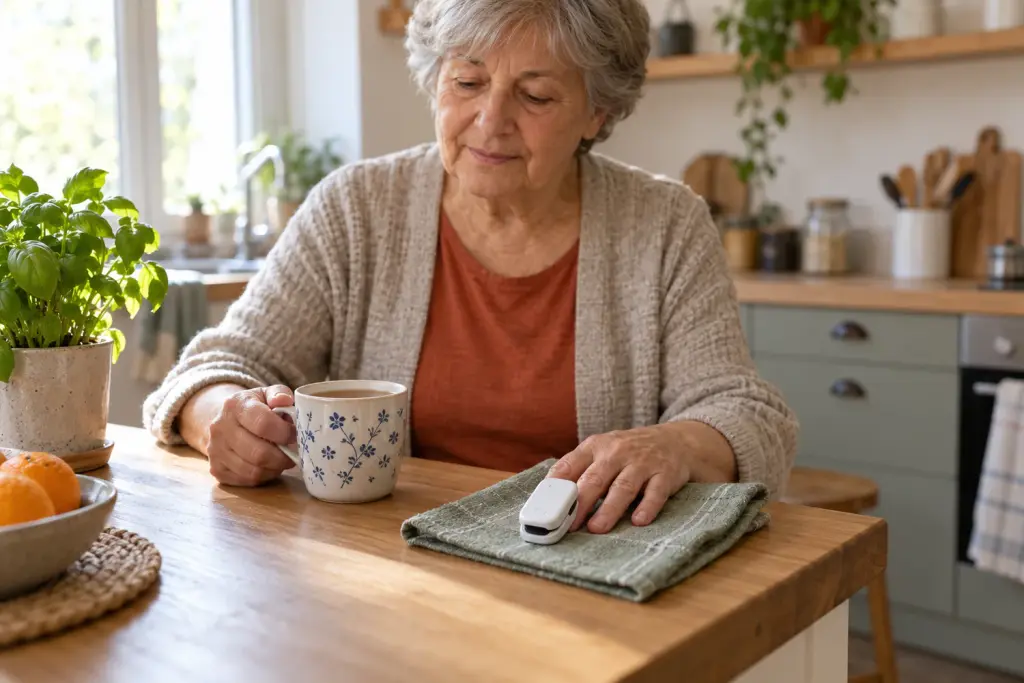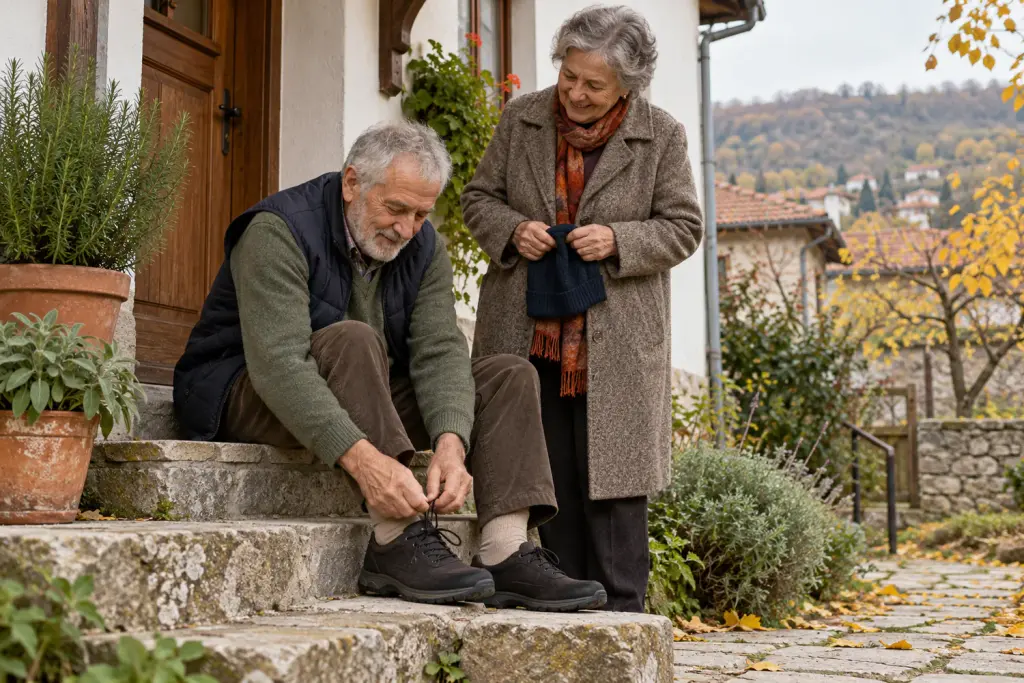
Around 14 November, World Diabetes Day, set aside a week for the kind of care that is easy to put off. Each day needs only a little time: book an eye check, look at your feet, shoes and socks, notice any numbness or burning, and prepare your questions for your doctor. It does not replace treatment, but it helps problems to be found early, when they are easiest to manage.
World Diabetes Day is marked every year on 14 November by the International Diabetes Federation and the World Health Organization. The date is the birthday of Frederick Banting, one of the discoverers of insulin. It is a good moment to check that your care is complete.
Why the eyes, the feet and the nerves
Over the years, high blood sugar damages the small blood vessels and the nerves. The eyes, the nerves of the legs and the kidneys are the most vulnerable. At first the changes often cause no pain and cannot be felt.
That is why it matters not to wait for symptoms. The NHS explains that diabetic eye screening often finds changes in the retina before a person notices anything wrong with their sight. The U.S. Centers for Disease Control and Prevention (CDC) warns that with nerve damage a small wound on the foot can go unnoticed.
The week, day by day
Here is one possible plan. Swap the days around as suits you; what matters is that you cover everything.
| Day | Task | Why |
|---|---|---|
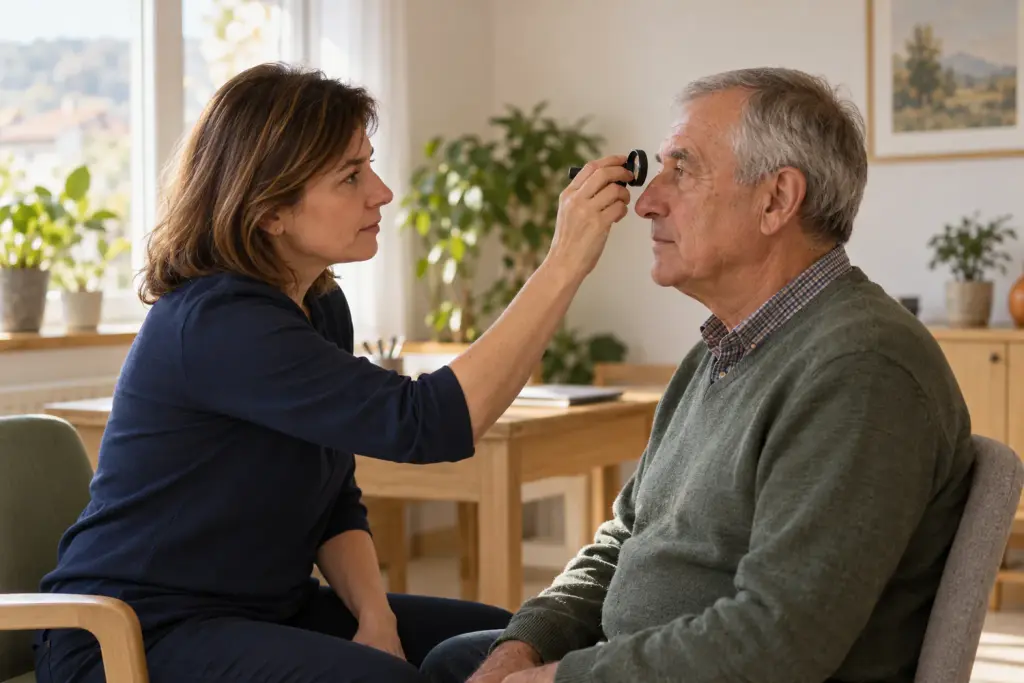
| 1 | Check when you last had your eyes examined and book an appointment if it was more than a year ago or your doctor advised otherwise | Changes in the retina often have no symptoms at first |
| 2 | Look closely at your feet, top, bottom and between the toes, with a mirror or with help | Small wounds, blisters and redness are easier to treat if seen early |
| 3 | Check your shoes and socks: are they comfortable, are there seams, stones or worn patches inside? | Tight shoes and rough spots often cause wounds |
| 4 | Notice any numbness, pins and needles, burning or reduced feeling in your feet and hands, and write it down | These are signs your doctor needs to know about |
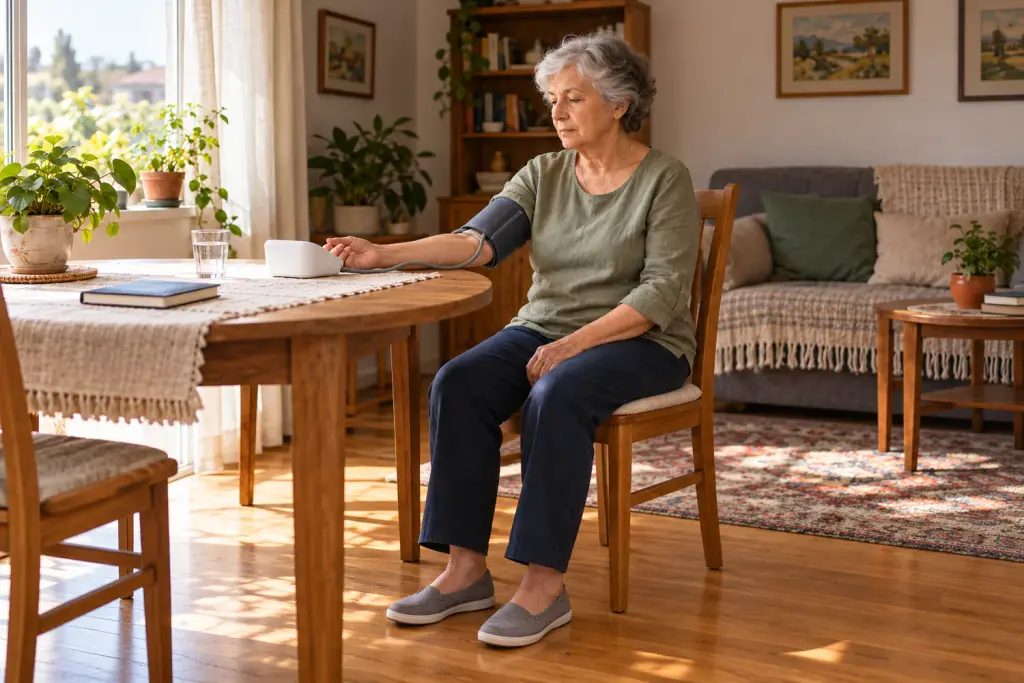
| 5 | Measure your blood pressure at home for a few days and check when you last had blood and urine tests | Blood pressure and the kidneys are part of diabetes care |
| 6 | Add a little movement to your day, unless your doctor has said otherwise, and look at what you eat through the day | Movement and food both help blood sugar |
| 7 | Gather your notes, your meter readings and your questions, and take them to your next appointment | The appointment is more useful and nothing is forgotten |

Measuring at home
Our advisers will help you choose a device that you find easy to use on your own.
We will call you to confirm the day and the time.
Or call the nearest shop
Eyes: a check even when you see well
Regular eye checks are the surest way to find diabetic retinopathy early. It is damage to the blood vessels at the back of the eye that can lead to sight loss if untreated.
In the UK the NHS invites everyone with diabetes aged 12 and over for eye screening once a year, or every two years if the last two checks found no changes. Drops widen the pupils and photographs are taken of the back of the eye. Your sight is blurred for a few hours afterwards, so do not drive after the appointment.
Ask your GP or endocrinologist how often you need an eye examination and whether you need a referral. Do not wait for the check if your sight gets worse, becomes blurred or you struggle to see in the dark: call your doctor.
Feet: two minutes every day
A daily foot check is the simplest thing that protects you from serious complications. It takes two minutes, best done in the evening.
- Look at your feet every day for small wounds, blisters, redness, swelling, calluses and changes in the nails. If you cannot see your foot well, use a mirror or ask someone close to you.
- Wash your feet in warm, not hot, water without soaking them for long. Dry them well, especially between the toes.
- Apply cream to the tops and soles, but not between the toes.
- Do not walk barefoot, even at home. Before putting on your shoes, feel inside with your hand.
- Cut your nails straight across and smooth the edges. Do not remove calluses yourself or use corn plasters and liquids.
The UK’s NICE guidelines recommend that the feet of people with diabetes are examined by a health professional at least once a year, and more often at higher risk. There is more about daily care and suitable shoes in our article The diabetic foot.
Nerves: what to tell your doctor
Nerve damage from diabetes (diabetic neuropathy) usually starts in the feet. It may feel like numbness, pins and needles, burning or pain, but it may not be felt at all.
According to the CDC and the U.S. National Institute of Diabetes and Digestive and Kidney Diseases (NIDDK), the most common signs are:
- numbness, pins and needles, burning or pain in the feet, less often in the hands;
- reduced feeling of touch, pain, heat and cold, for example not noticing that the water is too hot;
- changes in the shape, colour or temperature of the foot;
- pain or cramps in the legs when walking.
Neuropathy can affect other nerves too. Tell your doctor if you feel dizzy when you stand up, or have problems with digestion or your bladder. Do not worry that it is “something small”: your doctor needs to know.
When to see a doctor
- The same day if there is a wound, blister, ulcer, redness, swelling or warmth on your foot, or if it changes colour. With diabetes even a small wound needs to be seen.
- Call 112 straight away if your foot suddenly turns cold, pale or blue and hurts, or if you have a high temperature together with a red, swollen foot.
- Without waiting for your next appointment if your sight suddenly gets worse, if you see spots or flashes, or if numbness or pain appears in your legs.
Frequently asked questions
I see well. Do I need an eye check?
Yes. Changes in the retina usually cannot be felt at first. Your doctor will tell you how often to be checked.
Can I warm my feet with a hot-water bottle or by the stove?
Better not. If the feeling in your feet is reduced, you can burn yourself without noticing. Warm socks without a tight cuff are safer.
Do special shoes and insoles help?
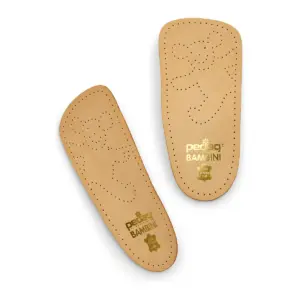
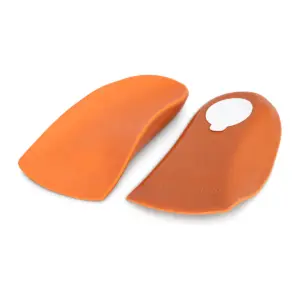
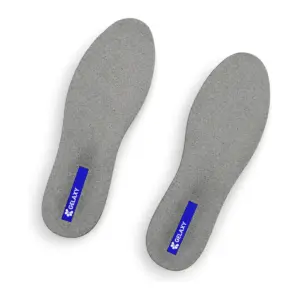
Comfortable shoes with a wide front and a soft lining reduce pressure. Whether you need special insoles or shoes is your doctor’s decision, especially if you have already had wounds.
Should I check my blood sugar every day?
It depends on your treatment. Your doctor sets the schedule and the target values. We describe how to measure correctly in the article A blood glucose meter at home.
If your doctor recommends insoles, in Reha Bul’s shops in Gabrovo and Stara Zagora we carry out a computerised foot assessment that shows how your feet take the load and which insoles suit them. You can book an appointment online. In the catalogue you will find blood glucose meters, and for blood pressure see how to measure it at home.
Sources
Measuring at home
Our advisers will help you choose a device that you find easy to use on your own.
We will call you to confirm the day and the time.
Or call the nearest shop